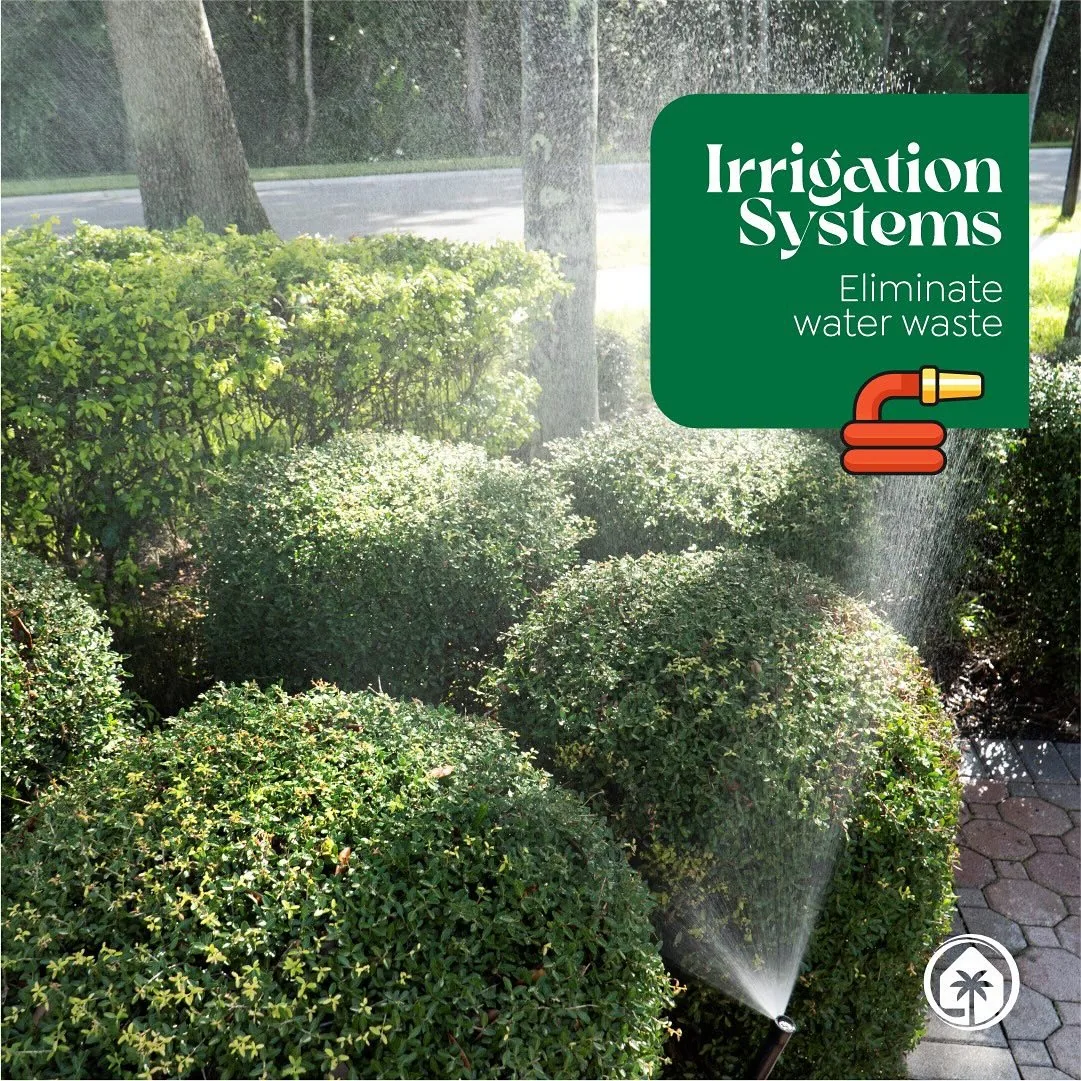

Xeriscaping has a reputation for looking stark and desert-like, but in Florida it usually looks nothing like that — it's really just landscaping designed to need less water, using plants that are already suited to our climate.
It starts with grouping plants by water needs
The core idea is simple: put thirsty plants together in one zone and drought-tolerant plants in another, instead of watering everything on the same schedule regardless of what it actually needs.
Native and Florida-friendly plants do the heavy lifting
Plants like muhly grass, coontie, firebush and many native flowering shrubs are built for Florida's wet-dry cycle and need far less supplemental watering once established than typical ornamental plantings.
Mulch is doing more than you think
A generous, well-maintained mulch layer cuts water loss from the soil dramatically, which is often the single biggest lever in a water-wise design.
Reducing turf area, not eliminating it
Most Florida xeriscape yards still have a lawn — just a smaller, more intentional one, with beds and hardscaping taking over lower-priority areas that used to be thirsty turf.
Our landscaping and design service can rework all or part of a yard around this approach without giving up the lush, tropical look Florida yards are known for.